November 4, 2026
One Storm Filled 10,000 Gallons After Two Mistakes
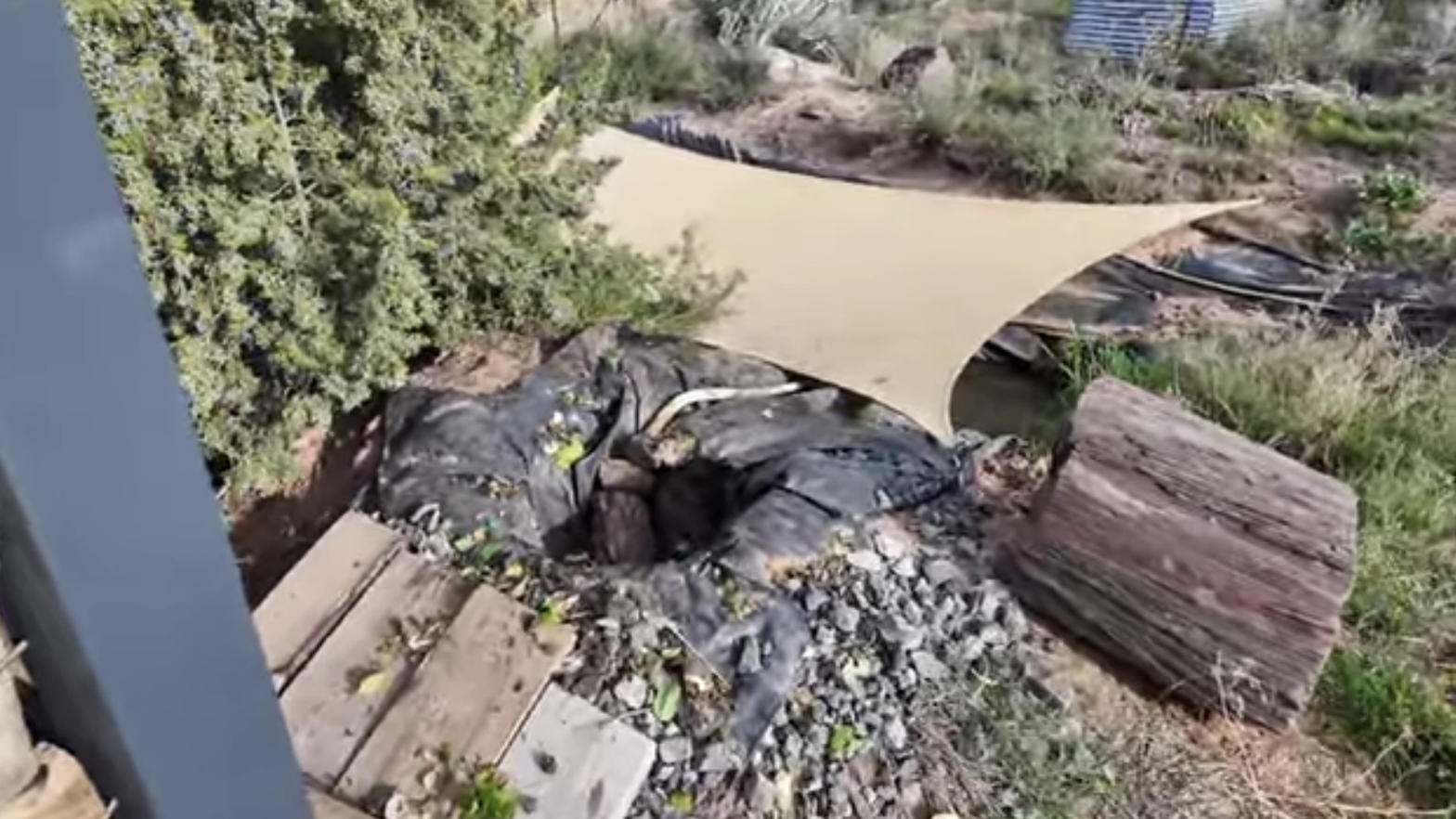
A high-desert homesteader lost most of his stored water twice in a short span. A bog filter overflow emptied his pond, and an aquaponics error drained another 600 gallons from storage. For an off-grid place, that kind of drop is a real problem.
Then a storm came through. After clearing space around the property so runoff could reach the catchment areas, the system rebounded hard. The agricultural pond hit its highest level yet, overflow zones filled with thousands of gallons, and one tank that had been nearly empty was back to half full.
“Conservatively, I harvested more than 10,000 gallons of rainwater from this one storm,” he said. The workshop roof alone can catch roughly 3,600 gallons when it rains.
It’s a simple reminder that water storage and collection don’t have to be perfect to be useful. Systems get set up, mistakes happen, and a good storm can refill them faster than most people expect. For a house that already has a roof and some open ground, the same idea scales down—catch what falls, store it where you can, and keep it available when the utility is down or never connected.
November 3, 2026
A Maryland Dad Spent $6,000 After His Kids Were Born
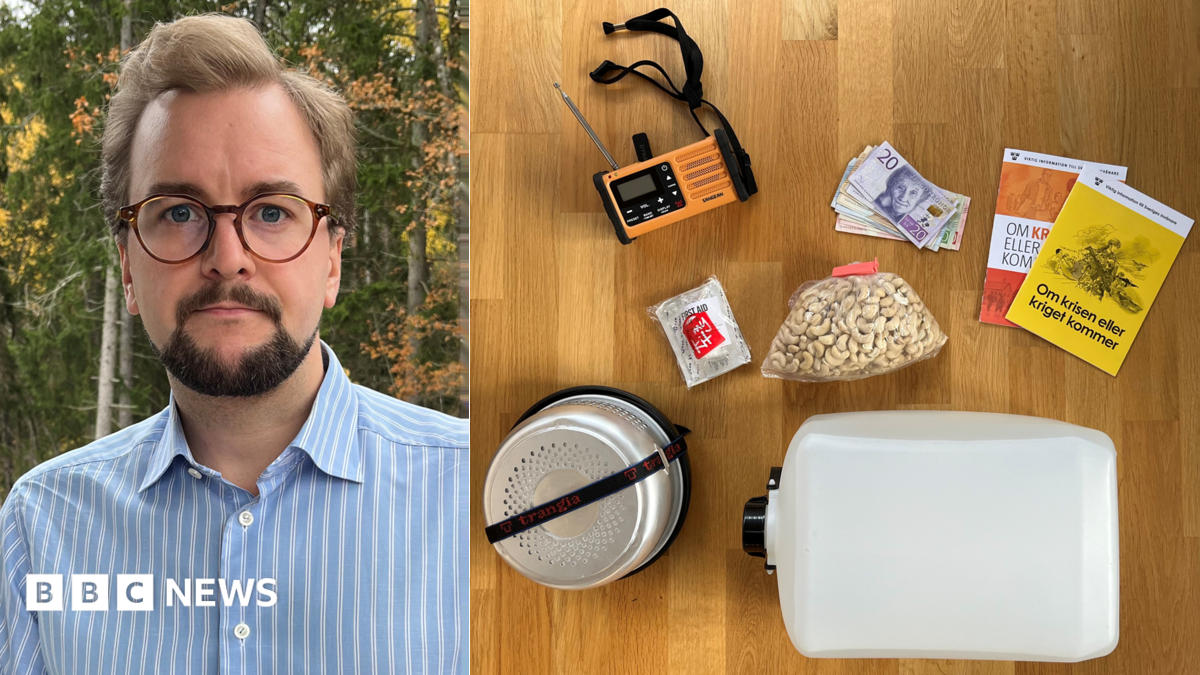
Dan C. is a 38-year-old physiotherapist in Maryland with two kids under 10. After a two-day power outage in February left his family cold and without easy options, he started building a proper supply stash. He calls it part of his responsibility as a parent.
Over time he put about $6,000 into the project. The basement shelves now hold 150 gallons of water, three months of food in a rotating pantry (oats, quinoa, peanut butter, and other staples the family actually eats), solar panels, a camping stove, medical kits, and a few other practical items. Soft containers can be filled in the bathtub if more water is needed.
Nothing about it is extreme. The food gets used and replaced so it doesn’t sit forever. The water is there if the tap stops working. The solar and stove cover the basics if the grid is out. It’s the kind of setup that lets daily life continue with less scrambling when something goes wrong.
Most of the people we work with already have a home. The same idea applies: put a few practical pieces in place so the fridge stays cold, the lights stay on, and water is available without turning everyday life into a project.
November 2, 2026
Batteries Just Prevented California’s Rolling Blackouts
During a record heat wave in 2024, California’s grid was pushed harder than it had been in years. Demand spiked as everyone cranked up air conditioning, and the state faced the same problem it had two summers earlier: not enough power to go around.
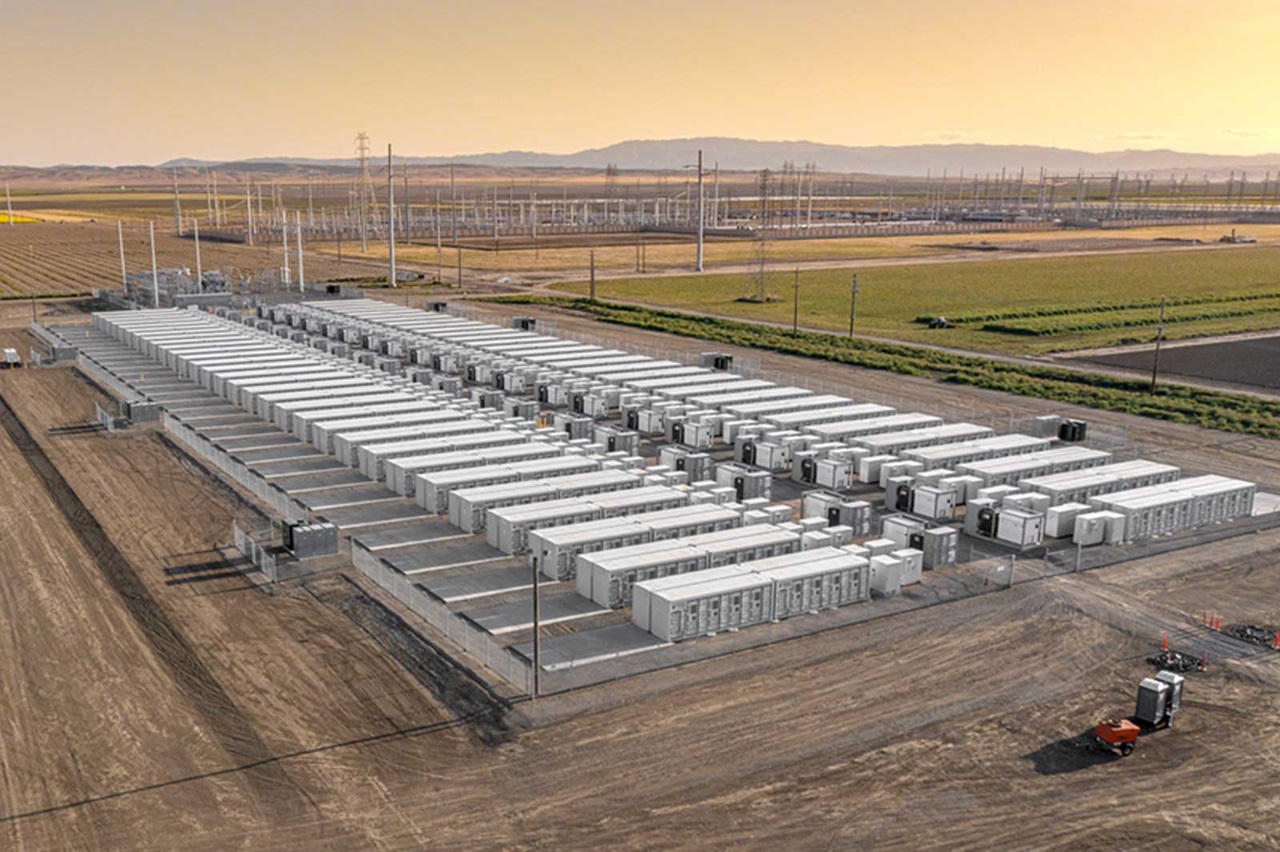
The difference this time was batteries. 3.4 gigawatts of grid-scale storage kicked in during the tightest hours and supplied about six percent of the state’s electricity. That was enough to avoid the rolling blackouts California had experienced in 2022, when it had less than one gigawatt of batteries installed.
The math behind it is straightforward. Batteries charge when power is cheap and abundant, then discharge during peak demand when electricity costs the most. In 2024 they supplied 13 to 19 percent of California’s generation during those critical windows, avoiding over $29 million in peak energy costs.
This isn’t a California-only story. Energy storage is growing at roughly 30 percent a year, driven by falling battery prices and the simple fact that it works. For a homeowner, the same principle scales down: a solar array with battery backup charges during the day and carries the house through the evening peak, when rates are highest and the grid is most strained.
The technology that kept millions of Californians from sitting in the dark during a heat wave is the same technology that can keep your fridge running and your internet up when your local grid hiccups. It’s no longer experimental. It’s proven at scale.

October 30, 2026
The Pentagon Just Decided Bases Need to Run Without the Grid for 90 Days
The Pentagon recently said every major military base in the lower 48 has to be able to keep operating for at least ninety days if the regular power grid goes down. They’re calling the program FORTRESS. It covers electricity, water, fuel, and communications. The idea is that a base shouldn’t stop working just because the civilian grid has a problem—whether that’s a cyberattack, a big storm, or something else.
They’re not treating this as a far-off “what if.” They’re putting money into batteries, on-site power, and microgrids so the base can disconnect from the civilian system and keep running on its own.
Most families don’t need a ninety-day military setup. But the same basic idea applies. If the power goes out, you still want the lights, the fridge, the internet, and the water to work long enough that life doesn’t grind to a halt. Medicine stays cold. Kids can still get schoolwork done. You don’t have to pack up and leave home because the utility is down.
That’s the practical version of what the Pentagon is doing. Power and water that can stand on their own, security and cameras that don’t need a subscription, and a private library of useful stuff that still works even if the internet is shaky. None of it requires a big lifestyle overhaul. It’s just making the place you already have—or the one you’re building—able to keep functioning for the people who live there.
FORTRESS is still new and the details will change. But the direction is clear: large organizations are deciding that full reliance on the civilian grid is no longer an acceptable risk. For a family, the smaller version of that decision is already possible.